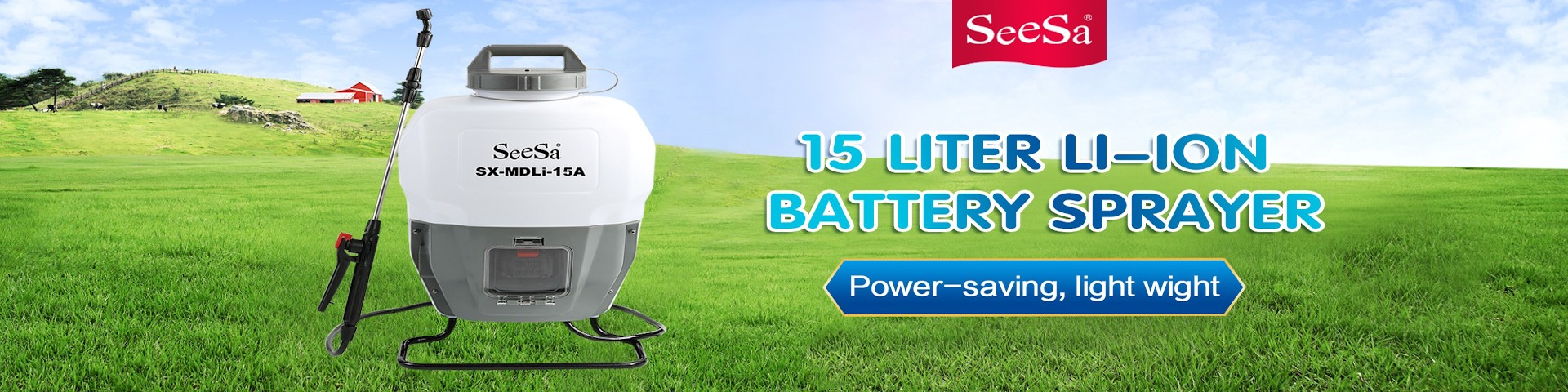
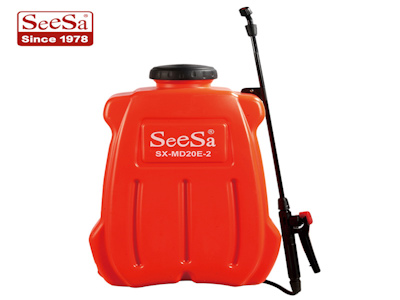
Сельское хозяйство – это основа человеческой цивилизации, отрасль, которая кормит миллиарды людей по всему миру. Однако с ростом населения, изменением климата и усилением экологических проблем традиционные методы ведения сельского хозяйства становятся всё менее эффективными. Фермеры сталкиваются с вызовами, такими как нехватка воды, болезни растений, вредители и необходимость повышения урожайности при минимальном воздействии на окружающую среду. В этом контексте инновационные технологии играют ключевую роль, и одной из самых значимых новинок последних лет является электрический опрыскиватель. Это устройство не просто инструмент – это революция, которая переписывает правила игры в агросекторе.
Введение: почему сельское хозяйство нуждается в переменах
Сельское хозяйство всегда было динамичной отраслью, но сегодня оно переживает беспрецедентные изменения. По данным Продовольственной и сельскохозяйственной организации ООН (ФАО), к 2050 году мировое население достигнет 9,7 миллиардов человек, что потребует увеличения производства продовольствия на 70%. Однако ресурсы, такие как земля и вода, ограничены, а традиционные методы, основанные на ручном труде и устаревшей технике, часто приводят к потерям урожая, загрязнению почвы и воды пестицидами, и высоким затратам.
Электрический опрыскиватель появляется как ответ на эти вызовы. В отличие от традиционных опрыскивателей, которые работают на бензине или дизеле, электрические модели используют электроэнергию, что делает их более экологичными, экономичными и точными. Они позволяют автоматизировать процесс обработки растений, снижая человеческий труд и минимизируя ошибки. Это не просто эволюция – это прорыв, который меняет парадигму сельского хозяйства, делая его умным, устойчивым и эффективным.
Что такое электрический опрыскиватель и как он работает?
Электрический опрыскиватель – это устройство, предназначенное для распыления жидкостей, таких как пестициды, гербициды, удобрения или вода, на сельскохозяйственные культуры. Его ключевое отличие от традиционных аналогов заключается в источнике энергии: вместо двигателя внутреннего сгорания он использует электрический двигатель, питаемый от аккумулятора или сети. Это обеспечивает бесшумную работу, нулевые выбросы и высокую точность.
Принцип работы электрического опрыскивателя прост, но эффективен. Электрический двигатель приводит в действие насос, который создаёт давление, необходимое для распыления жидкости через сопла. Современные модели оснащены датчиками и системами управления, которые позволяют регулировать расход жидкости, угол распыления и другие параметры в зависимости от типа культуры и условий. Например, некоторые опрыскиватели используют GPS-навигацию для точного позиционирования, избегая повторной обработки одних и тех же участков и экономя до 30% химикатов.
Технологии, лежащие в основе электрических опрыскивателей, включают литий-ионные аккумуляторы, которые обеспечивают длительную работу без подзарядки, беспроводное управление через смартфоны или планшеты, и искусственный интеллект для анализа данных о почве и растениях. Это превращает опрыскиватель из простого инструмента в интеллектуальную систему, способную принимать решения в реальном времени.
Преимущества электрических опрыскивателей: почему они лучше традиционных
Переход на электрические опрыскиватели предлагает множество преимуществ, которые делают их незаменимыми для современного сельского хозяйства. Рассмотрим ключевые из них.
Экологичность и устойчивость
Одним из главных преимуществ является экологичность. Традиционные опрыскиватели, работающие на ископаемом топливе, производят выбросы углекислого газа и других вредных веществ, способствуя изменению климата и загрязнению воздуха. Электрические модели, напротив, имеют нулевые выбросы при использовании, особенно если питаются от возобновляемых источников энергии, таких как солнечные панели. Это соответствует глобальным целям устойчивого развития и помогает фермерам снизить углеродный след своих операций.
Кроме того, электрические опрыскиватели позволяют более точно дозировать химикаты, уменьшая их попадание в почву и воду. Это предотвращает загрязнение грунтовых вод и защищает биоразнообразие. Например, исследования показывают, что использование точного опрыскивания может снизить применение пестицидов на 20-50%, что положительно сказывается на здоровье экосистем и людей.
Экономическая эффективность
Хотя первоначальная стоимость электрического опрыскивателя может быть выше, чем у традиционного, в долгосрочной перспективе он оказывается более экономичным. Электроэнергия дешевле бензина или дизеля, а обслуживание электрических двигателей проще и дешевле – нет необходимости мен масло, фильтры или dealing with complex mechanical parts. Аккумуляторы modernх моделей имеют длительный срок службы и могут быть перезаряжены hundreds раз, reducing operating costs.
К тому же, повышение точности опрыскивания means less waste of chemicals, which can save farmers significant money. For example, on a large farm, savings on pesticides and fertilizers can reach thousands of dollars per season. Automation also reduces labor costs, as one operator can manage multiple devices or even fully autonomous systems.
Повышение эффективности и урожайности
Электрические опрыскиватели designed for precision agriculture. Они can be programmed to apply the exact amount of liquid needed for each plant or area, based on data from sensors or drones. This ensures that crops receive optimal treatment, leading to healthier plants and higher yields. Studies have shown that precision spraying can increase crop productivity by up to 15-20%, as it prevents over- or under-treatment.
Moreover, electric sprayers are often lighter and more maneuverable than traditional ones, allowing them to work in difficult terrain or between rows without damaging plants. This is particularly useful for high-value crops like fruits and vegetables, where every plant counts.
Удобство и безопасность
For farmers, electric sprayers offer greater convenience and safety. They are quieter, reducing noise pollution and making it easier to work for long hours without fatigue. The absence of fumes means better air quality for operators, reducing health risks such as respiratory problems. Many models come with ergonomic designs and easy-to-use interfaces, making them accessible even for those with limited technical skills.
Wireless connectivity allows remote monitoring and control, so farmers can manage spraying operations from a distance, saving time and reducing exposure to chemicals. This is especially important in large-scale farming, where efficiency and safety are paramount.
Технологические инновации в электрических опрыскивателях
The rapid advancement of technology has transformed electric sprayers into smart devices. Let's explore some of the cutting-edge innovations that are shaping the future of agriculture.
Интеграция с IoT и большими данными
Modern electric sprayers are often part of the Internet of Things (IoT) ecosystem. They can connect to cloud platforms via Wi-Fi or cellular networks, transmitting data on usage, weather conditions, and crop health in real-time. This data is analyzed using big data analytics to provide insights and recommendations. For instance, if sensors detect early signs of disease, the sprayer can automatically adjust its settings to apply targeted treatment, preventing outbreaks.
Farmers can access dashboards on their smartphones to track performance, schedule operations, and receive alerts. This level of connectivity enables proactive management and reduces the risk of crop failure.
Искусственный интеллект и машинное обучение
Artificial intelligence (AI) and machine learning are at the heart of next-generation sprayers. AI algorithms can process images from cameras mounted on the sprayer to identify weeds, pests, or nutrient deficiencies. Based on this analysis, the sprayer can make decisions on-the-fly, such as spraying only the affected areas instead of the entire field. This not only saves chemicals but also minimizes impact on non-target plants and insects.
Machine learning models improve over time by learning from historical data, becoming more accurate in predictions. For example, after several seasons, an AI-powered sprayer might predict the best time to spray based on weather patterns and crop growth stages.
Автономность и роботизация
Some electric sprayers are fully autonomous, operating without human intervention. Equipped with GPS, lidar, and other sensors, they can navigate fields independently, avoiding obstacles and optimizing routes. This is a game-changer for large farms, where labor shortages are a common issue. Autonomous sprayers can work 24/7, increasing productivity and ensuring timely treatment.
Robotic sprayers are also being developed for specialized tasks, such as in greenhouses or orchards, where precision is critical. These robots can perform delicate operations that would be difficult for humans, further enhancing efficiency.
Возобновляемая энергия и sustainability
To enhance sustainability, many electric sprayers are designed to be powered by renewable energy. Solar panels can be integrated into the device or used at charging stations, making the entire operation carbon-neutral. This aligns with the growing trend towards green agriculture and can provide energy independence for remote farms.
Additionally, manufacturers are focusing on using recyclable materials and designing sprayers for easy disassembly and recycling at the end of their life cycle, reducing environmental impact.
Практическое применение: как электрические опрыскиватели используются в различных культурах
Electric sprayers are versatile and can be adapted to different types of crops and farming systems. Here are some examples of their application across various agricultural sectors.
Зерновые культуры (пшеница, кукуруза, рис)
For cereal crops, which cover large areas, electric sprayers with wide booms and GPS guidance are ideal. They can cover hectares quickly and efficiently, applying herbicides to control weeds or fungicides to prevent diseases. The precision ensures that chemicals are used only where needed, reducing waste and environmental impact. In rice paddies, electric sprayers can be used for even application in watery conditions, thanks to their sealed designs.
Овощи и фрукты
In horticulture, where plants are often grown in rows, electric sprayers with adjustable nozzles and sensors excel. They can target specific plants, such as spraying insecticide on tomato plants without affecting neighboring crops. For fruits like apples or grapes, sprayers can be used in orchards and vineyards, with some models capable of reaching high canopies. The quiet operation is beneficial in these settings, as it doesn't disturb wildlife or workers.
Специализированные культуры (хлопок, соя, etc.)
Cash crops like cotton and soybeans benefit from electric sprayers' ability to handle different chemicals and application rates. For instance, in cotton farming, sprayers can apply defoliants before harvest with precision, improving fiber quality. In soybean fields, they can be used for inoculant application or pest control, enhancing yield and quality.
Органическое земледелие
Even in organic farming, where synthetic chemicals are avoided, electric sprayers are useful for applying organic pesticides, fertilizers, or biostimulants. Their precision helps in using natural products efficiently, which is often more expensive than synthetic ones. This supports the growth of organic agriculture, which is gaining popularity worldwide.
Сравнение с традиционными опрыскивателями: подробный анализ
To fully appreciate the advantages of electric sprayers, it's helpful to compare them with traditional models. Here’s a side-by-side analysis based on key parameters.
Источник энергии и экологичность
Traditional sprayers: Use gasoline or diesel, producing emissions and contributing to pollution. Noisy and require frequent refueling.
Electric sprayers: Use electricity, zero emissions at point of use. Quieter and can be charged from renewable sources.
Стоимость и экономика
Traditional: Lower upfront cost but higher operating costs due to fuel and maintenance.
Electric: Higher initial investment but lower long-term costs due to cheaper electricity and less maintenance.
Точность и эффективность
Traditional: Often lack precision, leading to over-spraying or missed spots. Manual operation can be inefficient.
Electric: High precision with sensors and automation, reducing waste and improving coverage.
Удобство и безопасность
Traditional: Noisy, emit fumes, and require physical effort to operate.
Electric: Quiet, fume-free, and often feature ergonomic designs and remote control.
Overall, electric sprayers outperform traditional ones in almost every aspect, making them the better choice for modern farming.
Будущее электрических опрыскивателей: тенденции и прогнозы
The future of electric sprayers is bright, with several trends set to shape their evolution.
Расширение возможностей AI и автономии
AI will become even more integrated, enabling sprayers to predict and prevent problems before they occur. Fully autonomous fleets will become common, working collaboratively to manage large farms.
Снижение costs и доступность
As technology matures, costs will decrease, making electric sprayers accessible to smallholder farmers in developing countries. This will democratize precision agriculture and boost global food security.
Интеграция с other smart farm technologies
Electric sprayers will be part of holistic farm management systems, integrating with drones, sensors, and other IoT devices to create a seamless agricultural ecosystem.
Устойчивость и circular economy
Focus will shift towards circular design, with sprayers made from recycled materials and designed for easy repair and recycling. Renewable energy integration will become standard.
By 2030, electric sprayers are expected to dominate the market, driving a transformation towards smarter, greener agriculture.
Заключение: embracing the change
Electric sprayers are not just a tool; they are a symbol of innovation in agriculture. By adopting this technology, farmers can increase productivity, reduce environmental impact, and ensure food security for future generations. The rules of farming are changing, and electric sprayers are at the forefront of this revolution. It's time to embrace this new word in agriculture and build a sustainable future together.
Whether you're a large-scale farmer or a small grower, investing in an electric sprayer is a step towards efficiency and sustainability. Explore the options available, consider your needs, and join the movement that is reshaping agriculture for the better.