Введение: В современном сельском хозяйстве малые фермы играют crucial роль, обеспечивая локальное производство продуктов питания и способствуя устойчивому развитию. Одним из ключевых аспектов успешного фермерства является эффективное управление ресурсами, включая использование опрыскивателей для применения пестицидов, удобрений и других агрохимикатов. Выбор подходящего опрыскивателя может значительно повлиять на урожайность, затраты и экологическую безопасность. В этой статье мы подробно рассмотрим различные типы опрыскивателей, их особенности, преимущества и недостатки, а также дадим практические рекомендации для малых ферм. Мы охватим ручные, механизированные и современные smart-опрыскиватели, анализируя их применимость в различных условиях. Цель — помочь фермерам сделать informed decision, оптимизировать свои операции и повысить продуктивность.
1. Основные типы опрыскивателей и их классификация
Опрыскиватели можно классифицировать по нескольким критериям, включая способ приведения в действие, емкость, тип распыления и уровень автоматизации. Для малых ферм важно учитывать простоту использования, стоимость и адаптивность к разным культурам. Основные типы включают ручные опрыскиватели, которые идеальны для небольших участков и точечной обработки; ранцевые опрыскиватели, предлагающие мобильность и удобство для фермеров, работающих вручную; колесные опрыскиватели, подходящие для средних площадей и обеспечивающие более равномерное покрытие; и навесные опрыскиватели для тракторов, которые эффективны для крупномасштабных операций, но могут быть адаптированы для малых ферм при наличии техники. Кроме того, существуют специализированные опрыскиватели для конкретных культур, таких как фруктовые сады или овощные грядки, а также современные модели с GPS и датчиками для precision farming. Выбор зависит от размера фермы, бюджета, типа выращиваемых культур и предпочтений фермера. В следующих разделах мы углубимся в детали каждого типа.
2. Ручные опрыскиватели: Простота и экономичность
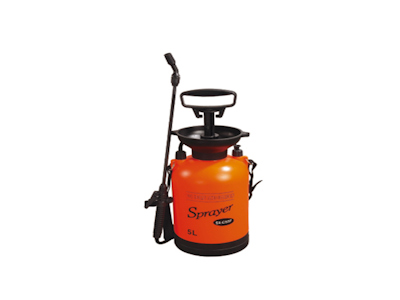
Ручные опрыскиватели — это наиболее базовый и доступный вариант для малых ферм. Они typically состоят из бака, насоса и распылительной штанги, и приводятся в действие физической силой пользователя. Преимущества включают низкую стоимость, простоту обслуживания и возможность точного контроля над aplication. Например, ручные помповые опрыскиватели идеальны для обработки небольших грядок, теплиц или участков с delicate растениями, где необходимо избежать overspray. Однако они требуют значительных трудозатрат и могут быть утомительными для больших площадей. Для малых ферм с ограниченным бюджетом и manpower, ручные опрыскиватели могут быть отличным стартом. Рекомендуется выбирать модели из durable материалов, таких как нержавеющая сталь или качественный пластик, чтобы избежать коррозии и продлить срок службы. Additionally, consider опрыскиватели с adjustable nozzles для customization under different conditions.
3. Ранцевые опрыскиватели: Мобильность и эффективность
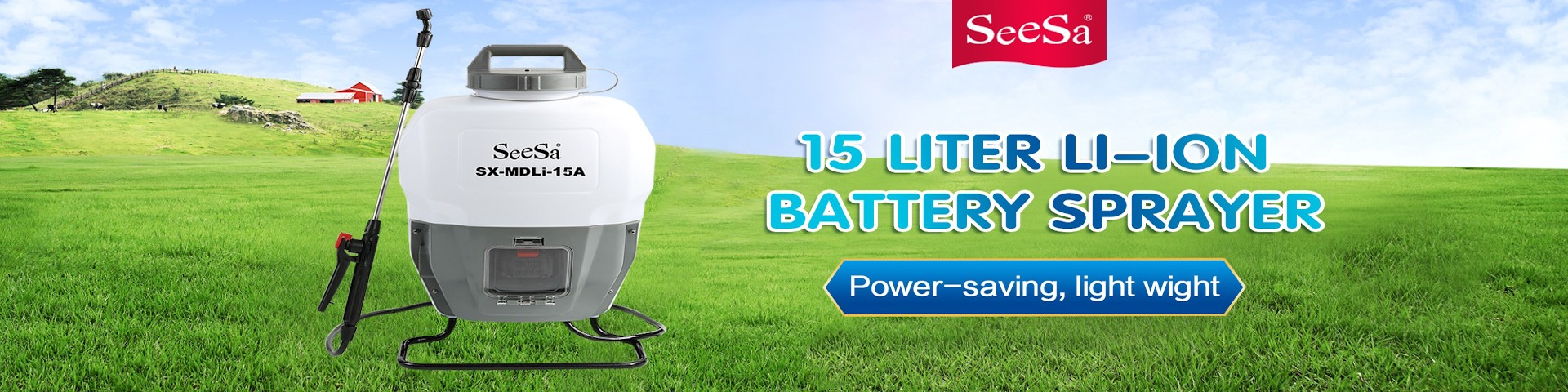
Ранцевые опрыскиватели offer a balance between portability and capacity, making them popular among small-scale farmers. These devices are worn on the back, allowing the user to move freely while spraying. They typically have a larger tank capacity than hand-held models, ranging from 5 to 20 liters, which reduces the need for frequent refills. Early versions relied on manual pumping, but modern ones often feature battery-powered or gasoline-driven pumps for easier operation. The key advantage is their mobility: farmers can access difficult terrain, such as slopes or dense plantations, without the constraints of wheeled equipment. This makes them suitable for orchards, vineyards, or row crops. However, they still require physical effort and may not be ideal for very large areas. For small farms, investing in a quality knapsack sprayer with ergonomic design and reliable pump can enhance productivity. Look for features like pressure gauges, filter systems, and comfortable straps to minimize strain during use.
4. Колесные опрыскиватели: Для средних площадей
Колесные опрыскиватели, также известные как trolley or cart sprayers, are designed for slightly larger small farms that have flat or gently sloping terrain. These units consist of a tank mounted on wheels, often with a hand-pump or motorized system for spraying. They offer greater capacity than backpack sprayers, typically holding 20 to 100 liters, which allows for covering more area with less refilling. The wheels make them easier to move around, reducing physical exertion compared to carrying a backpack. This type is excellent for vegetable farms, flower fields, or small grain plots. Some models come with extendable booms for wider coverage, mimicking larger agricultural sprayers on a smaller scale. The downside is that they may not be as maneuverable in rough or uneven ground. For small farms, choose a wheeled sprayer with sturdy construction, good tire quality, and adjustable spray patterns to suit various crop types. It's a step up in efficiency without a huge investment.
5. Навесные опрыскиватели: Интеграция с техникой
Для малых ферм, которые уже владеют трактором или другой техникой, навесные опрыскиватели могут быть highly efficient option. These sprayers attach to the three-point hitch of a tractor and are powered by the tractor's PTO (power take-off), allowing for large-scale spraying with minimal manual labor. They come in various sizes, from small units suitable for a few hectares to larger ones, but for small farms, compact models with capacities of 100-500 liters are common. The main benefits are speed, uniform application, and the ability to cover large areas quickly. This is ideal for crops like cereals, where time is critical during spraying seasons. However, the initial cost is higher, and it requires a tractor, which might not be feasible for all small farms. If affordable, this type can significantly boost productivity. Ensure compatibility with your tractor and consider features like boom width adjustment and tank material (e.g., polyethylene for corrosion resistance).
6. Специализированные опрыскиватели: Для конкретных культур
Малые фермы often diversify their crops, so having a sprayer tailored to specific needs can be advantageous. For instance, airblast sprayers are designed for orchards and vineyards, using fans to create a mist that penetrates dense foliage. These are excellent for fruit trees but may be overkill for small plots. Similarly, mist blowers or cannon sprayers can cover areas from a distance, reducing entry into fields. For vegetable farms, drop-leg sprayers with targeted nozzles help avoid damage to plants. Consider the crop type: leafy greens might benefit from fine mist sprayers, while root crops could use soil-applicator attachments. Small farms should assess their primary crops and invest in a sprayer that matches. Sometimes, a multi-purpose sprayer with interchangeable parts is the best choice. Research and consult with local agricultural extensions for recommendations based on regional conditions.
7. Smart и precision опрыскиватели: Будущее малого фермерства
With advancements in technology, smart sprayers are becoming more accessible, even for small farms. These incorporate GPS, sensors, and automation to apply chemicals only where needed, reducing waste and environmental impact. For example, variable rate technology (VRT) adjusts spray based on soil or crop conditions, detected by sensors. While initially expensive, the long-term savings on inputs and improved yields can justify the cost for progressive small farms. Drones with spraying capabilities are also emerging, offering unparalleled precision and access to hard-to-reach areas. For small farms, starting with basic automated features like timer-controlled pumps or smartphone apps for monitoring can be a good entry point. Embrace technology gradually; it can enhance sustainability and competitiveness. Look for user-friendly systems that don't require extensive technical knowledge.
8. Факторы выбора: Что учитывать при покупке
Choosing the right sprayer involves several factors. First, assess the farm size: for plots under 1 hectare, hand-held or backpack sprayers suffice; for 1-5 hectares, consider wheeled or small tractor-mounted units. Second, budget: initial cost, maintenance, and operating expenses (e.g., fuel for motorized models). Third, crop type: delicate plants need gentle spray, while robust crops tolerate stronger applications. Fourth, terrain: hilly areas favor backpack sprayers, flat lands allow for wheeled options. Fifth, labor availability: manual sprayers require more workers, while automated ones save time. Also, consider environmental factors, such as reducing drift to protect nearby areas. Read reviews, test models if possible, and prioritize durability and ease of cleaning to avoid chemical residue buildup. For small farms, leasing or sharing equipment with neighbors can be a cost-effective alternative.
9. Практические советы по использованию и обслуживанию
To maximize the lifespan and efficiency of your sprayer, follow best practices. Always calibrate the sprayer before use to ensure accurate application rates—over- or under-spraying can harm crops or waste chemicals. Clean the tank, nozzles, and hoses thoroughly after each use to prevent clogs and corrosion; use appropriate cleaners for the chemicals applied. Store the sprayer in a dry, shaded place to avoid UV damage and temperature extremes. Regularly inspect parts like seals and pumps for wear and replace them promptly. For battery-powered models, charge batteries properly and keep spares. Keep records of spraying activities to track effectiveness and plan future applications. Training for safe handling of chemicals is crucial; wear protective gear and follow label instructions. Small farms can benefit from joining local farming groups for shared knowledge and resources.
10. Заключение: Оптимизация для успеха малых ферм
В заключение, выбор опрыскивателя для малой фермы зависит от множества факторов, но ключевым является finding a balance between cost, efficiency, and suitability to specific conditions. Ручные и ранцевые опрыскиватели offer affordability and flexibility for very small operations, while wheeled and mounted types provide scalability for growing farms. Embracing technology, even in small steps, can lead to sustainable practices and higher yields. Remember, the best sprayer is one that integrates seamlessly into your farm's workflow, reduces labor, and minimizes environmental impact. By carefully evaluating options and maintaining equipment, small farmers can enhance their productivity and contribute to food security. Invest time in research and don't hesitate to seek advice from experts—your choice today will impact your farm's future success.
Для дальнейшего углубления, рассмотрите участие в workshops или онлайн-курсах по agricultural equipment. Малые фермы — это backbone сельского хозяйства, и правильный инструмент может сделать большую разницу.