Сельское хозяйство является одной из ключевых отраслей мировой экономики, обеспечивающей продовольственную безопасность и экономический рост. В условиях растущего населения и изменения климата эффективность сельскохозяйственных процессов становится как никогда важной. Одним из критических инструментов для повышения урожайности и защиты растений являются опрыскиватели. Эти устройства играют vitalную роль в применении пестицидов, гербицидов и удобрений, способствуя оптимизации ресурсов и минимизации потерь. Однако, несмотря на их значимость, спрос на опрыскиватели может стагнировать из-за таких факторов, как высокая стоимость, недостаток awareness среди фермеров или конкуренция со стороны традиционных методов. Поэтому разработка эффективной стратегии для повышения спроса на опрыскиватели является imperative для производителей, дистрибьюторов и всего аграрного сектора. В этой статье мы explore комплексный подход, включающий инновации, образовательные инициативы, маркетинговые кампании, партнерства и адаптацию к региональным особенностям, чтобы стимулировать рост продаж и внедрение современных опрыскивателей в сельском хозяйстве.
Введение: Значение опрыскивателей в современном сельском хозяйстве
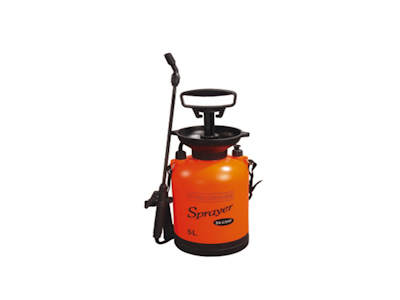
Опрыскиватели – это специализированное оборудование, предназначенное для равномерного и точного распыления жидких средств на сельскохозяйственные культуры. Они range от ручных устройств для малых хозяйств до сложных самоходных систем для крупных агрохолдингов. Основные функции включают борьбу с вредителями и болезнями, внесение удобрений и регуляторов роста, что напрямую влияет на урожайность и качество продукции. В современном контексте, с усилением focus на устойчивое сельское хозяйство, опрыскиватели с технологиями точного земледелия (например, GPS-навигация и датчики) позволяют reduce использование химикатов, минимизировать environmental impact и повысить экономическую эффективность. Например, исследования показывают, что внедрение precision spraying systems может снизить расход пестицидов на up to 30%, одновременно увеличивая урожайность на 10-15%. Это не only экономит ресурсы, но и contributes to food security and environmental sustainability. Однако, many farmers, особенно в developing regions, still rely on outdated methods due to barriers such as high initial investment, lack of knowledge, or resistance to change. Thus, a targeted strategy is essential to overcome these challenges and boost demand for sprayers.
Анализ текущего рынка опрыскивателей
Прежде чем разрабатывать стратегию, необходимо понять текущее состояние рынка опрыскивателей. Глобальный рынок agricultural sprayers оценивается в several billion dollars с ежегодным ростом около 5-7%, driven by increasing adoption of precision farming and rising demand for food. Key players include companies like John Deere, AGCO, and CNH Industrial, которые предлагают инновационные products с features such as automation and data integration. Однако, рынок segmented: в developed countries like the USA and Europe, спрос высок due to advanced farming practices, while in emerging economies like Russia, India, or Brazil, potential is vast but underutilized. Факторы, влияющие на спрос, включают economic conditions (e.g., farmer incomes and subsidies), technological advancements, regulatory policies (e.g., environmental regulations promoting reduced chemical use), and cultural factors (e.g., tradition and education levels). For instance, in Russia, the agricultural sector is growing, but adoption of modern sprayers is slower compared to the West due to higher costs and limited access to financing. A SWOT analysis reveals: Strengths – high efficiency and environmental benefits; Weaknesses – high cost and complexity; Opportunities – government support and technological trends; Threats – economic volatility and competition from alternatives. Understanding these dynamics helps tailor strategies to specific market needs.
Ключевые элементы стратегии повышения спроса
Чтобы effectively повысить спрос на опрыскиватели, стратегия должна быть multi-faceted, addressing various aspects from product development to customer engagement. Here, we outline the core elements.
1. Инновации и разработка продуктов
Innovation is the cornerstone of demand generation. Manufacturers should focus on developing sprayers that are not only efficient but also affordable, user-friendly, and adaptable to different farming conditions. Key areas for innovation include: Precision technologies – integrate GPS, drones, and IoT sensors for real-time monitoring and variable rate application, which reduces waste and appeals to tech-savvy farmers. For example, smart sprayers that adjust spray based on crop needs can demonstrate clear ROI through savings on inputs. Energy efficiency – design sprayers that use less fuel or incorporate electric or solar power, catering to the growing demand for sustainable solutions. Cost reduction – through modular designs or local manufacturing, make sprayers more accessible to smallholder farmers. Additionally, customization options for different crops and terrains can broaden the market appeal. Case in point: companies like AgroLeasing in Russia have successfully introduced leasing programs for advanced sprayers, making them affordable through installment payments. By continuously innovating, manufacturers can stay ahead of competition and meet evolving farmer needs.
2. Образовательные инициативы и training
Many farmers hesitate to adopt new sprayers due to lack of knowledge about their benefits and operation. Therefore, educational campaigns are crucial. This includes: Workshops and demonstrations – organize field days where farmers can see sprayers in action, highlighting advantages like time savings and increased yields. Collaborate with agricultural extensions or universities to provide training on proper usage and maintenance. Digital content – create online tutorials, webinars, and social media campaigns in local languages to reach a wider audience. For instance, in Russia, initiatives like "Школа фермера" (Farmer's School) have been effective in educating farmers about modern equipment. Education should also address misconceptions, such as fears about technology complexity or chemical safety, by emphasizing user-friendly designs and safety features. By empowering farmers with knowledge, they become more confident in investing in sprayers, thereby boosting demand.
3. Маркетинг и продвижение
Effective marketing is essential to create awareness and desire for sprayers. Strategies should include: Targeted advertising – use channels like agricultural magazines, TV programs, and online platforms to reach farmers. Highlight success stories and testimonials from early adopters to build credibility. Digital marketing – leverage SEO, social media, and email campaigns with keywords like "опрыскиватели сельское хозяйство" to attract organic traffic. Promotional offers – introduce discounts, trade-in programs, or bundle deals with other farm inputs to incentivize purchases. For example, a "buy now, pay later" scheme can alleviate financial barriers. Brand building – position sprayers as essential for modern farming through messaging that focuses on benefits like higher profits and sustainability. In regions like Russia, partnering with influencers or agricultural bloggers can amplify reach. Marketing should be tailored to local cultures and languages to ensure resonance.
4. Партнерства и collaboration
Collaborating with stakeholders can amplify efforts to increase demand. Key partnerships include: Government agencies – work with ministries of agriculture to align with subsidy programs or policies that promote mechanization. For instance, in Russia, state programs like "Развитие сельских территорий" (Rural Development) offer grants for farm equipment, which can be leveraged to promote sprayers. NGOs and research institutions – partner on projects that demonstrate the environmental and economic benefits of modern sprayers, providing data to support adoption. Distributors and dealers – strengthen the supply chain by training them on product features and sales techniques, ensuring they can effectively counsel farmers. Additionally, collaborations with input suppliers (e.g., pesticide companies) can create integrated solutions that bundle sprayers with chemicals, offering a complete package. Such partnerships not only expand reach but also build trust among end-users.
5. Адаптация к региональным особенностям
Demand generation strategies must be localized to address specific regional challenges and opportunities. In Russia, for example, the vast agricultural lands with diverse climates require sprayers that can handle large scales and variable conditions. Strategies here might focus on: Climate adaptability – develop sprayers resistant to cold weather or suitable for different soil types. Economic incentives – highlight government support available in regions like Kuban or Siberia where agriculture is prominent. Cultural sensitivity – use local dialects in marketing materials and engage with community leaders to gain acceptance. Similarly, in other regions, adapt to local farming practices; for instance, in areas with small farms, promote compact, affordable models. Conducting market research to understand regional needs ensures that strategies are relevant and effective, avoiding a one-size-fits-all approach.
Реализация стратегии и измерение успеха
Implementing the strategy requires a phased approach. Start with pilot programs in key regions to test effectiveness, then scale up based on results. Key steps include: Resource allocation – invest in R&D for innovation, allocate budget for marketing campaigns, and train sales teams. Timeline – set short-term goals (e.g., increase awareness by 20% in one year) and long-term objectives (e.g., double sales in five years). Measurement – use KPIs such as sales volume, market share, customer satisfaction surveys, and adoption rates to track progress. Tools like CRM systems can help monitor farmer engagement and feedback. Regularly review and adjust the strategy based on performance data and changing market conditions. For example, if educational initiatives show high engagement but low conversion, tweak the messaging or offer more hands-on training. Success stories from other industries, such as the adoption of tractors in the past, can provide lessons on persistence and adaptation.
Заключение: Будущее спроса на опрыскиватели
В заключение, повышение спроса на опрыскиватели в сельском хозяйстве требует holistic strategy that combines innovation, education, marketing, partnerships, and localization. As the world moves towards more sustainable and efficient farming, sprayers will play an increasingly vital role. By addressing barriers such as cost and knowledge gaps, stakeholders can unlock significant growth potential. The future looks promising with advancements in AI and automation, which will further enhance the appeal of sprayers. Ultimately, a concerted effort from manufacturers, governments, and the agricultural community can ensure that modern sprayers become ubiquitous, contributing to global food security and economic development. Start implementing these strategies today to capitalize on the opportunities ahead and drive demand for these essential agricultural tools.