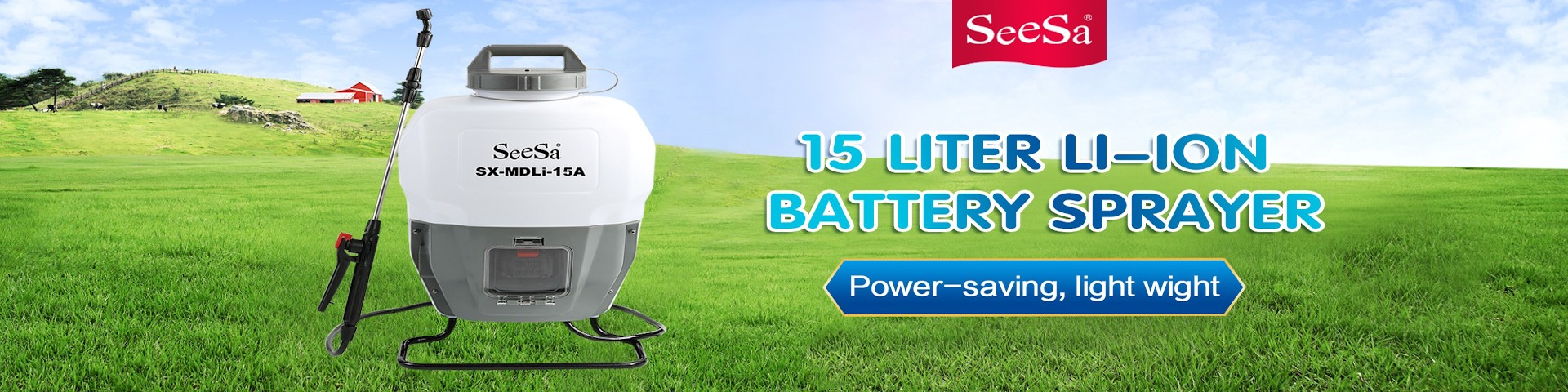
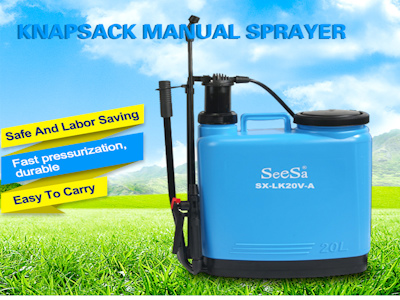
Распылители являются неотъемлемой частью многих отраслей, от сельского хозяйства и садоводства до промышленных процессов и бытового применения. Они используются для равномерного распределения жидкостей, таких как вода, удобрения, пестициды, краски или химические реагенты, обеспечивая точность и эффективность в различных задачах. Однако, как и любое другое оборудование, распылители требуют регулярного технического обслуживания для поддержания их работоспособности и продления срока службы. Одним из ключевых компонентов, который часто упускается из виду, является фильтр. В этой статье мы подробно разберем, почему регулярная замена фильтра в распылителе так важна, охватывая технические, экономические, экологические и практические аспекты. Мы рассмотрим, как фильтр влияет на производительность оборудования, какие проблемы могут возникнуть при его игнорировании, и предоставим практические советы по оптимальному обслуживанию.
1. Введение в роль фильтра в распылителе
Фильтр в распылителе выполняет критически важную функцию: он задерживает твердые частицы, примеси и загрязнения, присутствующие в жидкости, прежде чем она достигнет сопла или распылительной головки. Эти загрязнения могут включать песок, ржавчину, органические остатки, кристаллы удобрений или другие посторонние вещества, которые попадают в систему из источника воды или из самого резервуара. Без фильтра эти частицы могли бы засорить узкие проходы в сопле, привести к неравномерному распылению или даже вызвать поломку механических частей распылителя. Таким образом, фильтр действует как защитный барьер, обеспечивая чистоту жидкости и бесперебойную работу всего устройства.
Типы фильтров, используемых в распылителях, варьируются в зависимости от применения и конструкции оборудования. Например, в сельскохозяйственных опрыскивателях часто устанавливаются сетчатые или дисковые фильтры с разным размером ячеек (обычно от 50 до 200 микрон), предназначенные для улавливания крупных частиц. В промышленных распылителях могут использоваться более сложные фильтры, такие как картриджные или самоочищающиеся системы, способные handle высокие нагрузки загрязнений. Независимо от типа, все фильтры со временем забиваются и теряют свою эффективность, что делает их регулярную замену или очистку необходимым условием для поддержания оптимальной производительности.
Игнорирование состояния фильтра может привести к каскаду проблем. Например, засоренный фильтр увеличивает сопротивление потоку жидкости, что требует большего давления от насоса для достижения того же уровня распыления. Это не только снижает эффективность, но и повышает энергопотребление и износ насоса. Кроме того, если фильтр полностью выйдет из строя, загрязнения могут проникнуть в чувствительные части распылителя, такие как сопла или клапаны, вызывая их повреждение и necessitating дорогостоящий ремонт или замену. В сельском хозяйстве это может привести к неравномерному внесению удобрений или пестицидов, что негативно скажется на урожайности и экологии.
Регулярная замена фильтра — это не просто рекомендация производителя; это инвестиция в долгосрочную надежность и экономию средств. В следующих разделах мы углубимся в детали, объясняя, как часто следует менять фильтр, какие факторы влияют на его износ, и как разработать эффективный план обслуживания для вашего конкретного применения.
2. Технические аспекты: как фильтр влияет на производительность распылителя
С технической точки зрения, фильтр играет pivotal role в обеспечении consistent и efficient работы распылителя. Когда фильтр чистый, он позволяет жидкости свободно протекать через систему с minimal потерями давления. Это обеспечивает равномерное распыление, необходимое для точного дозирования и покрытия. Однако по мере накопления загрязнений на поверхности фильтра, его пропускная способность уменьшается. Это явление известно как «засорение фильтра» или «fouling», и оно directly влияет на hydraulic характеристики системы.
Одним из ключевых параметров, на которые влияет засоренный фильтр, является давление в системе. Для поддержания заданной скорости потока, насос должен работать интенсивнее, чтобы преодолеть increased сопротивление, создаваемое забитым фильтром. Это приводит к higher энергопотреблению и повышенному износу насосных компонентов, таких как уплотнения и подшипники. В extreme случаях, если фильтр полностью blocked, это может вызвать кавитацию в насосе — phenomenon, при котором образуются пузырьки пара, leading к повреждению лопастей и reduced сроку службы насоса. Studies have shown, что увеличение давления на 10-20% due to засоренного фильтра может повысить energy costs на 5-10%, making регулярная замена экономически выгодной.
Кроме того, засоренный фильтр может cause неравномерное распыление. Если частицы проходят через damaged фильтр или если flow становится turbulent, это results в variations в размере капель и распределении жидкости. В сельском хозяйстве, например, это может lead к over- или under-application пестицидов, reducing их effectiveness и potentially causing damage to crops или окружающей среде. В промышленных applications, таких как покраска или охлаждение, неравномерное распыление может compromise качество продукции и increase отходы.
Another технический аспект — это material фильтра. Многие фильтры made из материалов like нержавеющая сталь, пластик или синтетические волокна, которые могут degrade over time due to химическому воздействию жидкостей или mechanical stress. Регулярная замена ensures, что фильтр remains structurally intact и capable of performing its function. For instance, если фильтр corrodes или трескается, он может allow крупные частицы to pass through, defeating its purpose. Therefore, monitoring и замена фильтра based on manufacturer's recommendations или empirical data (e.g., через定期 inspections) является essential для maintaining технической integrity системы.
3. Экономические выгоды регулярной замены фильтра
С экономической точки зрения, регулярная замена фильтра в распылителе предлагает significant savings в long term. Хотя initial cost нового фильтра may seem like дополнительный расход, он pales in comparison к затратам, associated с ремонтом или заменой поврежденного оборудования due to neglected maintenance. Let's break down эти economic benefits в detail.
First, consider energy costs. Как упоминалось ранее, засоренный фильтр increases hydraulic сопротивление, forcing насос to consume more energy to maintain desired flow rate. For example, в large-scale сельскохозяйственном опрыскивателе, который works несколько hours в день, even небольшое increase в energy consumption can add up to substantial costs over сезон. By regularly replacing the filter, you ensure that the system operates at peak efficiency, reducing electricity или fuel usage. Studies estimate that proper maintenance, including filter changes, can save up to 15-20% on energy costs in fluid handling systems.
Second, there are costs, связанные с downtime и repairs. Если фильтр не заменен вовремя, это может lead к засорению сопел или failure насоса, resulting в unplanned остановках работы. В busy сезона, таких как посадка или уборка урожая в agriculture, downtime can be extremely costly due to lost productivity. Additionally, repairs могут involve not only parts (e.g., новые сопла или насосы) но и labor costs. For instance, замена поврежденного насоса might cost hundreds или thousands of dollars, whereas a new filter typically costs only a fraction of that. By investing in regular filter changes, you minimize the risk of catastrophic failures and extend the overall lifespan of the equipment, thus reducing total cost of ownership.
Third, consider the impact on consumables. В applications, где распылители used for applying chemicals like pesticides или fertilizers, clogged filters can cause uneven application, leading to overuse of these materials. This not only wastes money on excess chemicals but can also require re-application if the initial treatment was ineffective. By maintaining a clean filter, you ensure precise dosing, optimizing the use of expensive inputs and improving ROI. In industrial settings, such as in painting or coating processes, consistent spray patterns reduce rework and material waste, further enhancing economic efficiency.
Finally, there are intangible economic benefits, such as improved reliability and brand reputation. Equipment that is well-maintained is less likely to fail unexpectedly, allowing for better planning and scheduling. This can lead to higher customer satisfaction and repeat business, especially in service-oriented industries. Overall, the economics of regular filter replacement are clear: it is a small investment that pays off through reduced operational costs, fewer repairs, and increased productivity.
4. Экологические соображения: почему забота о фильтре важна для окружающей среды
Экологические аспекты регулярной замены фильтра в распылителе often overlooked, но они играют crucial role в sustainable practices. Загрязненный фильтр может indirectly contribute к environmental damage через несколько mechanisms, making его обслуживание part of broader ecological responsibility.
One primary concern is the potential for chemical runoff. В сельском хозяйстве, если распылитель работает inefficiently due to clogged filter, это может result в uneven application пестицидов или удобрений. Excess chemicals may leach into soil и groundwater, или runoff into nearby water bodies, causing pollution и harm to aquatic ecosystems. For example, nitrates from fertilizers can lead to eutrophication in lakes and rivers, promoting algal blooms that deplete oxygen and kill fish. By ensuring that the filter is clean and the sprayer operates precisely, farmers can minimize over-application and reduce the environmental footprint of their operations.
Additionally, a well-maintained filter helps prevent the release of particulate matter into the environment. In industrial applications, such as spray drying or dust suppression, filters capture fine particles that could otherwise become air pollutants. If the filter is not replaced regularly, it may become less effective, allowing these particles to escape and contribute to air quality issues. This is particularly important in regions with strict environmental regulations, where non-compliance can result in fines and legal liabilities.
Moreover, the disposal of old filters should be done responsibly. Many filters are made from materials that can be recycled or properly disposed of to minimize waste. For instance, metal filters can often be recycled, while plastic ones should be handled according to local waste management guidelines. By incorporating regular filter changes into a maintenance schedule, operators can plan for eco-friendly disposal practices, reducing the overall environmental impact of their activities.
Lastly, energy savings from efficient operation contribute to lower carbon emissions. As discussed in the economic section, a clean filter reduces energy consumption, which in turn decreases the carbon footprint associated with power generation. This aligns with global efforts to combat climate change and promotes a greener approach to industrial and agricultural processes. In summary, regular filter replacement is not just about equipment performance; it's a step towards more sustainable and environmentally conscious operations.
5. Практические рекомендации: как often и как менять фильтр
Чтобы реализовать benefits регулярной замены фильтра, важно иметь practical plan. How often should you change the filter? Это depends on several factors, including the type of sprayer, the nature of the fluid being sprayed, the operating conditions, and the manufacturer's guidelines. Here, we provide general recommendations and steps for effective filter maintenance.
First, determine the frequency of replacement. As a rule of thumb, filters should be inspected before each use and replaced or cleaned based on visual inspection or pressure drop measurements. For example, in agricultural sprayers, filters may need replacement every 50-100 hours of operation or at the end of each season, whichever comes first. In high-contamination environments, such as when using muddy water or abrasive chemicals, more frequent changes may be necessary—perhaps every 20-50 hours. Industrial applications might require continuous monitoring with automated systems that alert operators when the filter differential pressure exceeds a certain threshold (e.g., 10-15 psi above normal).
Second, follow proper procedures for replacement. Always shut down the sprayer and depressurize the system before attempting to replace the filter to avoid injury or spills. Remove the old filter carefully, noting its condition—if it's heavily clogged or damaged, it might indicate other issues in the system, such as contaminated fluid sources. Install the new filter according to the manufacturer's instructions, ensuring it is seated properly and that all seals are tight to prevent leaks. After replacement, test the system at low pressure to check for any issues before resuming full operation.
Third, consider using filter monitors or indicators. Many modern sprayers come equipped with pressure gauges or sensors that measure the pressure drop across the filter. When the drop increases significantly, it's a sign that the filter needs attention. Investing in such technology can simplify maintenance and prevent guesswork.
Fourth, keep records of filter changes. Maintain a log that includes dates, hours of operation, and observations about the filter's condition. This helps in predicting future needs and identifying patterns that might indicate underlying problems, such as a consistently dirty filter suggesting poor water quality.
Finally, train operators on the importance of filter maintenance. Ensure that everyone involved understands how to inspect, clean, or replace filters safely and efficiently. This proactive approach fosters a culture of preventive maintenance, reducing the likelihood of emergencies and enhancing overall operational efficiency.
6. Заключение: инвестиция в надежность и эффективность
В заключение, регулярная замена фильтра в распылителе — это не просто routine задача, а critical component технического обслуживания, которое impacts производительность, экономику, и экологию. Ignoring этот аспект can lead к increased costs, downtime, and environmental harm, whereas proactive maintenance ensures optimal operation и longevity оборудования. By understanding the role of the filter, adhering to a scheduled replacement plan, and embracing best practices, operators can maximize the benefits of their sprayers while minimizing risks. Whether in agriculture, industry, or domestic use, this small step contributes significantly to larger goals of efficiency, sustainability, and reliability. Remember, a clean filter is a key to a well-functioning sprayer—make it a priority in your maintenance regimen.
Для further information, consult your equipment's manual или обратитесь к специалистам по техническому обслуживанию. Регулярные проверки и своевременная замена фильтров помогут вам избежать проблем и добиться наилучших результатов в вашей работе.