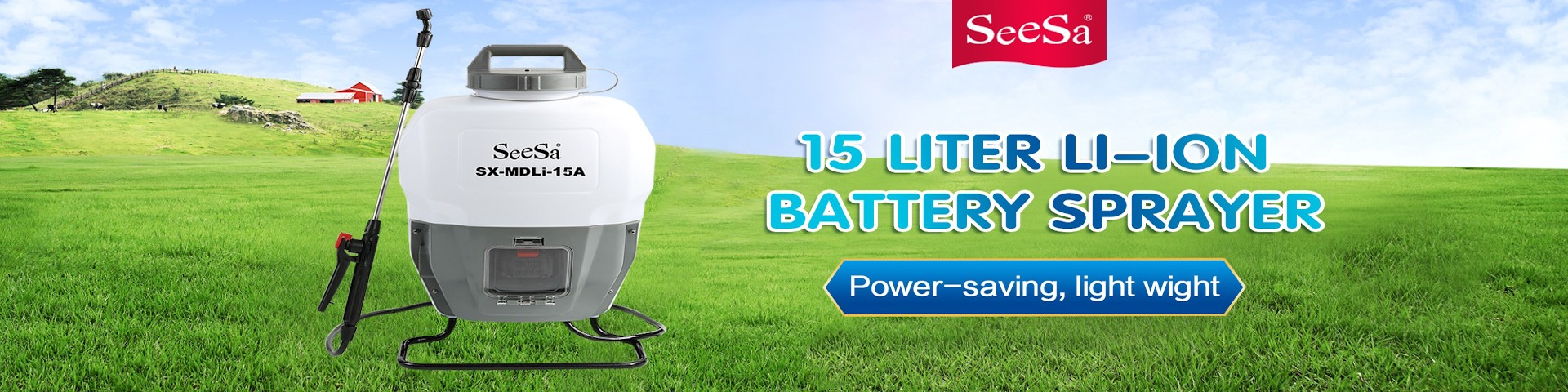
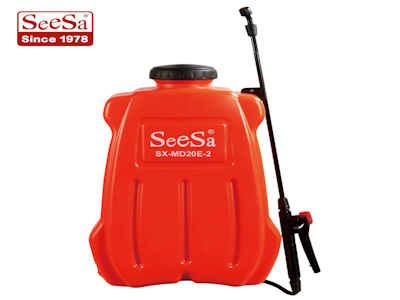
Тепличные растения представляют собой уникальную категорию сельскохозяйственных культур, которые выращиваются в контролируемых условиях, обеспечивающих оптимальный рост и развитие. Однако эти условия также создают специфические вызовы, такие как повышенная влажность, ограниченная циркуляция воздуха и высокая плотность посадки, что делает растения более уязвимыми к болезням, вредителям и другим стрессовым факторам. В этом контексте использование специальных опрыскивателей становится не просто желательным, а необходимым элементом успешного тепличного хозяйства. В данной статье мы подробно рассмотрим, почему тепличные растения требуют именно специализированных опрыскивателей, а не обычных методов обработки, и как это влияет на их здоровье, урожайность и общую эффективность производства.
Особенности тепличной среды и их влияние на растения
Теплицы предназначены для создания идеальных условий для роста растений, защищая их от неблагоприятных погодных явлений, таких как мороз, жара, ветер и осадки. Однако эта закрытая среда также имеет свои недостатки. Высокая влажность, которая часто поддерживается в теплицах для поддержания оптимального уровня транспирации и роста, может способствовать развитию грибковых заболеваний, таких как мучнистая роса, фитофтороз и серая гниль. Кроме того, ограниченное пространство и плотная посадка растений создают идеальные условия для быстрого распространения вредителей, таких как тля, паутинный клещ и белокрылка. Без надлежащего контроля эти факторы могут привести к значительным потерям урожая и даже к полной гибели растений. Обычные опрыскиватели, предназначенные для открытого грунта, часто не справляются с этими challenges, так как они не учитывают специфику тепличной среды. Например, они могут создавать избыточную влажность или неравномерное покрытие, что только усугубляет проблемы. Специальные опрыскиватели, разработанные specifically для теплиц, учитывают эти особенности и обеспечивают более точное и эффективное применение средств защиты растений.
Роль опрыскивателей в поддержании здоровья растений
Здоровье растений является основополагающим фактором для получения высоких урожаев и качественной продукции. В теплицах, где растения находятся в близком контакте друг с другом, любая болезнь или infestación может быстро распространиться на всю культуру. Специальные опрыскиватели играют ключевую роль в профилактике и лечении заболеваний, позволяя точно дозировать и распределять пестициды, fungicidas и другие защитные средства. Они обеспечивают равномерное покрытие листьев и стеблей, что необходимо для эффективного воздействия на pathogens и вредителей. Например, опрыскиватели с мелкодисперсным распылением могут проникать в труднодоступные места, такие как нижняя сторона листьев, где часто скрываются вредители. Кроме того, многие специальные опрыскиватели оснащены системами, которые минимизируют drift (снос) химикатов, reducing the risk of contamination to other plants or the environment. This is particularly important in greenhouses, where space is limited and chemicals can easily affect non-target areas. By maintaining plant health through precise application, specialized sprayers help reduce the need for frequent treatments, saving time and resources while promoting sustainable practices.
Повышение урожайности с помощью эффективного опрыскивания
Урожайность тепличных растений напрямую зависит от их ability to photosynthesize, absorb nutrients, and resist stressors. Inefficient spraying can lead to under- or over-application of chemicals, which can stunt growth, cause phytotoxicity, or reduce fruit quality. Specialized sprayers are designed to optimize the delivery of nutrients, growth regulators, and protective agents, ensuring that plants receive exactly what they need for robust development. For instance, some sprayers allow for variable rate application, adjusting the amount of liquid based on plant size or density, which is crucial in heterogeneous greenhouse crops. This precision not only enhances yield but also improves the uniformity and marketability of the produce. Moreover, by preventing disease outbreaks and pest damage, these sprayers help maintain continuous production cycles, maximizing the economic returns from greenhouse operations. In the long run, investing in quality sprayers can lead to significant cost savings by reducing crop losses and minimizing chemical waste.
Защита от вредителей и болезней: почему обычные методы не suffice
В открытом грунте растения bénéficient от естественных predators, ветра и других факторов, которые помогают контролировать популяции вредителей и распространение болезней. В теплицах эти естественные механизмы often absent, making manual or mechanical interventions essential. Ordinary sprayers, such as those used in gardens or fields, may not provide the coverage or control needed in a confined space. They can create large droplets that runoff quickly or miss target areas, leading to ineffective treatment. Specialized greenhouse sprayers, on the other hand, are engineered to produce fine mists or targeted streams that adhere to plant surfaces and penetrate dense foliage. Many models include features like adjustable nozzles, pressure controls, and even automated systems that can be programmed for specific intervals or conditions. This level of control is vital for managing resistant pests or diseases that require precise application timing and dosage. Additionally, some advanced sprayers incorporate technologies like electrostatic charging, which helps droplets stick to plants better, reducing waste and improving efficacy. By addressing the unique challenges of greenhouse environments, these sprayers provide a reliable defense against threats that could otherwise devastate crops.
Типы специальных опрыскивателей для теплиц
Существует несколько types of sprayers specifically designed for greenhouse use, each with its own advantages and applications. Handheld sprayers are portable and ideal for small-scale or spot treatments, allowing growers to target individual plants with precision. Backpack sprayers offer more capacity and are suitable for medium-sized greenhouses, providing mobility without sacrificing power. For larger operations, automated or stationary sprayers can be installed, such as overhead misting systems or boom sprayers that cover entire rows simultaneously. These systems often integrate with climate control computers, enabling synchronized spraying based on humidity, temperature, or other parameters. Another innovative type is the ultra-low volume (ULV) sprayer, which uses very small amounts of concentrate to create a fine fog that disperses evenly throughout the greenhouse. This is particularly effective for applying biological controls or nutrients without wetting plants excessively. When choosing a sprayer, factors like greenhouse size, crop type, and budget should be considered. Investing in the right type can enhance efficiency, reduce labor costs, and ensure consistent results.
Влияние на микроклимат и устойчивость
Опрыскивание в теплицах не только affects plants but also the overall microclimate. Poorly designed sprayers can increase humidity levels excessively, promoting conditions favorable for diseases like botrytis or damping-off. Specialized sprayers are often designed to minimize this impact by producing droplets that evaporate quickly or by incorporating ventilation systems that help maintain balance. For example, some sprayers have built-in fans that disperse the mist and improve air circulation, reducing the risk of moisture buildup. This attention to microclimate management is crucial for sustainable greenhouse farming, as it helps conserve energy and resources by avoiding over-wetting and subsequent need for dehumidification. Furthermore, by enabling precise application, these sprayers reduce the environmental footprint of chemical use, aligning with modern trends towards organic and integrated pest management (IPM) practices. Growers can use lower doses of pesticides or switch to safer alternatives, knowing that the sprayer will deliver them effectively. This not only protects the plants but also supports biodiversity and soil health within the greenhouse ecosystem.
Экономические аспекты: стоимость и окупаемость инвестиций
Хотя специальные опрыскиватели могут иметь higher initial cost compared to standard models, their long-term benefits often justify the investment. For commercial greenhouse operations, losses due to disease or pest outbreaks can be substantial, sometimes amounting to thousands of dollars per season. By preventing such losses, quality sprayers pay for themselves quickly through increased yields and reduced chemical usage. Additionally, automated sprayers can save labor costs by reducing the time spent on manual applications. For instance, a system that sprays overnight or during off-peak hours allows workers to focus on other tasks, improving overall productivity. Maintenance costs are also generally lower for specialized equipment, as they are built to withstand the harsh conditions of greenhouses, such as high humidity and chemical exposure. When evaluating costs, growers should consider not only the purchase price but also factors like durability, ease of use, and compatibility with existing systems. Many manufacturers offer warranties and support, further enhancing the value proposition. In summary, while the upfront expense may be higher, the return on investment in terms of crop protection, efficiency, and sustainability makes specialized sprayers a wise choice for serious greenhouse cultivators.
Практические советы по выбору и использованию опрыскивателей
Выбор подходящего опрыскивателя для теплицы depends on several factors, including the size of the operation, the types of crops grown, and the specific challenges faced. For small home greenhouses, a simple handheld or backpack sprayer may suffice, focusing on models with adjustable settings for different applications. For larger commercial setups, investing in automated systems with programmable controllers can provide significant advantages. It's important to select sprayers made from materials resistant to corrosion, such as stainless steel or plastic composites, to ensure longevity in humid environments. Regular maintenance, such as cleaning nozzles and checking for leaks, is essential to keep the equipment functioning optimally. When using sprayers, always follow label instructions for chemicals and wear appropriate protective gear to ensure safety. Calibration is key; test the sprayer on a small area first to ensure even coverage and adjust as needed. Integrating sprayer use with other IPM strategies, such as biological controls or cultural practices, can enhance overall effectiveness. By taking a proactive approach to selection and use, growers can maximize the benefits of specialized sprayers and maintain healthy, productive greenhouse crops.
Заключение: необходимость специализированных опрыскивателей в modern тепличном хозяйстве
В заключение, тепличные растения indeed require special opryskivateli due to the unique challenges posed by their controlled environment. From maintaining plant health and boosting yield to protecting against pests and diseases, these tools are indispensable for successful greenhouse cultivation. They offer precision, efficiency, and sustainability that ordinary sprayers cannot match, making them a valuable investment for growers of all scales. As agriculture continues to evolve towards more intensive and eco-friendly practices, the role of specialized equipment will only grow in importance. By understanding and adopting the right sprayers, greenhouse operators can ensure higher quality produce, reduce environmental impact, and achieve greater economic stability. In essence, skipping on specialized sprayers is a risk that no serious grower should take, as the benefits far outweigh the costs in the long run.