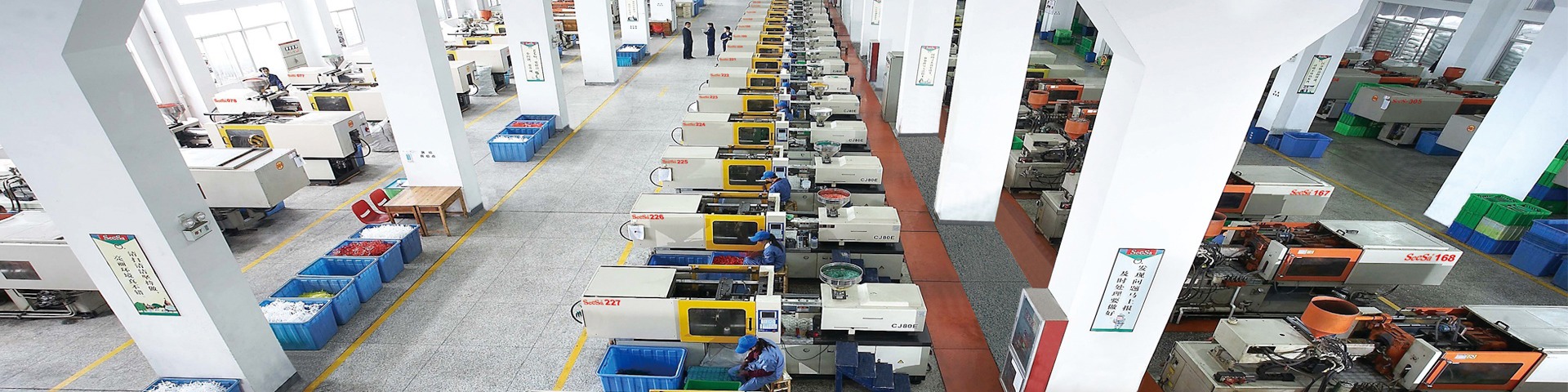
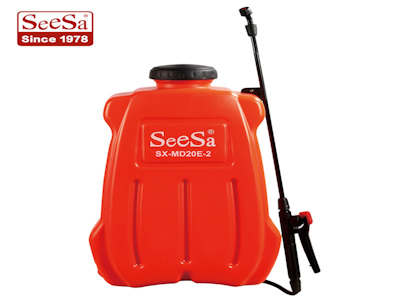
В современном мире, где эффективность и надежность играют ключевую роль в промышленности и сельском хозяйстве, контроль качества распылителей становится не просто необходимостью, а стратегическим преимуществом. Распылители используются в самых разных областях: от покраски автомобилей и обработки растений до медицинских применений и пищевой промышленности. Их качество напрямую влияет на результаты работы, экономию ресурсов и безопасность. В этой статье мы подробно рассмотрим 10 главных советов, которые помогут вам обеспечить безупречный контроль качества распылителей, избежать распространенных ошибок и максимизировать их производительность. Эти советы основаны на многолетнем опыте экспертов, научных исследованиях и практических примерах, и они представлены в доступной форме, чтобы каждый мог применить их в своей деятельности.
1. Выбор правильных материалов для изготовления распылителей
Качество распылителя начинается с выбора материалов. Неправильный выбор может привести к быстрому износу, коррозии или даже поломке, что негативно скажется на всей системе. Для разных применений требуются разные материалы. Например, в химической промышленности, где распылители контактируют с агрессивными веществами, необходимо использовать нержавеющую сталь или специальные пластики, устойчивые к коррозии. В сельском хозяйстве, где оборудование подвергается воздействию влаги и удобрений, предпочтительны материалы с антикоррозийными покрытиями. Исследования показывают, что использование материалов высокого качества может увеличить срок службы распылителей на 30-50%. При выборе обратите внимание на сертификаты качества, такие как ISO 9001, и проконсультируйтесь с поставщиками. Всегда тестируйте материалы в реальных условиях перед массовым использованием. Это не только сэкономит деньги в долгосрочной перспективе, но и предотвратит простои производства.
2. Регулярная калибровка и настройка оборудования
Калибровка – это процесс настройки распылителя для обеспечения точности и一致性 распыления. Без регулярной калибровки оборудование может работать неэффективно, leading к перерасходу материалов или неравномерному покрытию. Рекомендуется проводить калибровку перед каждым major использованием, а также после длительных периодов простоя. Используйте специализированные инструменты, такие как манометры и расходомеры, чтобы проверить давление и поток. Для сложных систем, like those in automotive painting, automated calibration systems can save time and improve accuracy. Keep a log of calibrations to track performance over time. This simple habit can reduce waste by up to 20% and ensure consistent results.
3. Проведение тестов на износ и долговечность
Тестирование на износ помогает оценить, как распылитель будет вести себя в условиях длительной эксплуатации. Это включает в себя ускоренные тесты, имитирующие years of use in a short period. Methods include cyclic testing with varying pressures and temperatures. Results from these tests can identify weak points early, allowing for design improvements. For instance, in agricultural sprayers, durability tests might involve exposure to abrasive materials. Implementing such tests as part of quality control can prevent field failures and enhance customer satisfaction. Always document test results and use them to inform maintenance schedules.
4. Мониторинг давления и расхода жидкости
Pressure and flow rate are critical parameters that affect spray quality. Too high pressure can cause overspray and waste, while too low pressure may result in inadequate coverage. Use sensors and monitoring systems to keep these parameters within optimal ranges. Modern IoT-enabled devices can provide real-time data and alerts. For example, in food processing, maintaining precise flow ensures consistent product quality. Regular checks and adjustments based on monitoring can improve efficiency by 15-25%. Train operators to interpret data and make quick corrections.
5. Очистка и обслуживание после использования
Proper cleaning prevents clogging and corrosion, extending the life of sprayers. After each use, flush the system with appropriate solvents or water. For chemical applications, use neutralizers to avoid residue buildup. Establish a maintenance schedule that includes disassembly and inspection of parts. Neglecting cleaning can lead to costly repairs; studies show that up to 40% of sprayer failures are due to poor maintenance. Use checklists to ensure all steps are followed, and store equipment in dry, clean conditions.
6. Использование стандартов и сертификатов качества
Adhering to international standards like ISO 14001 for environmental management or specific industry certifications ensures that sprayers meet safety and performance criteria. Certification processes often involve rigorous testing and audits. For instance, in medical applications, compliance with FDA regulations is mandatory. Implementing these standards not only improves quality but also enhances market credibility. Regularly review and update practices to stay aligned with evolving standards.
7. Обучение персонала правилам эксплуатации
Well-trained operators are essential for maintaining quality. Provide comprehensive training on how to use, calibrate, and maintain sprayers. Include practical sessions and simulations. Educate them on the importance of quality control and how their actions impact outcomes. In industries like aerospace, where precision is critical, training reduces human error by over 50%. Develop training materials in multiple languages if needed and conduct refresher courses annually.
8. Внедрение системы обратной связи и улучшений
A feedback system allows users to report issues and suggest improvements. Use surveys, inspections, and data analytics to gather insights. For example, in agricultural cooperatives, farmer feedback can lead to design changes that better suit local conditions. Act on feedback promptly to continuously improve quality. This iterative process fosters innovation and customer loyalty.
9. Проверка совместимости с различными жидкостями
Sprayers must be compatible with the fluids they handle. Test with actual substances to check for chemical reactions or degradation. Incompatibility can cause leaks, contamination, or failure. For instance, in pharmaceutical sprayers, ensure materials do not interact with active ingredients. Maintain a database of compatibility tests for reference. This proactive approach prevents accidents and ensures product integrity.
10. Регулярный аудит и инспекция всего процесса
Conduct regular audits of the entire sprayer lifecycle, from manufacturing to disposal. Inspect for defects, compliance, and efficiency. Use third-party auditors for objectivity. Audits help identify systemic issues and drive continuous improvement. In large-scale operations, annual audits can reduce defect rates by 10-15%. Document findings and implement corrective actions swiftly.
В заключение, контроль качества распылителей – это комплексный процесс, требующий внимания к деталям и последовательности. Следуя этим 10 советам, вы сможете значительно повысить надежность и эффективность вашего оборудования. Начните с малого: выберите один совет для внедрения на этой неделе, и постепенно интегрируйте остальные. Помните, что инвестиции в качество окупаются многократно через снижение затрат и увеличение удовлетворенности клиентов. Если у вас есть вопросы или нужна дополнительная помощь, не стесняйтесь обращаться к экспертам или участвовать в отраслевых мероприятиях. Качество – это не пункт назначения, а непрерывное путешествие.