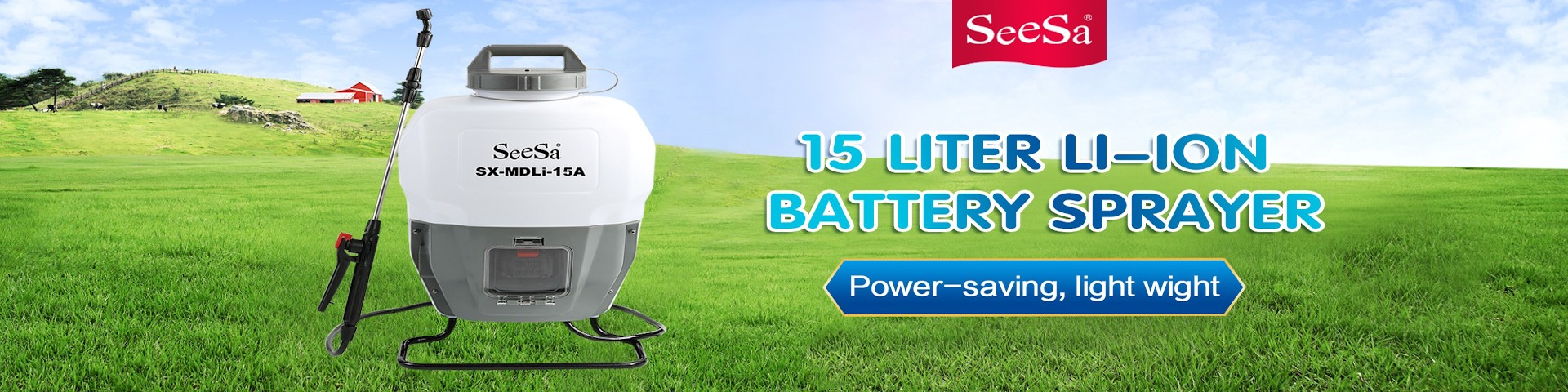
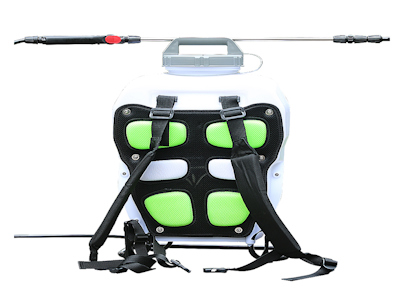
В современном мире, где население растет, а ресурсы становятся все более ограниченными, сельское хозяйство сталкивается с беспрецедентными вызовами. Повышение продуктивности, снижение экологического воздействия и обеспечение продовольственной безопасности требуют инновационных решений. Одним из ключевых элементов этой трансформации являются прорывные системы распылителей, которые коренным образом меняют подход к агрономии. Эти системы не просто улучшают традиционные методы опрыскивания; они внедряют интеллектуальные технологии, позволяющие точно управлять применением пестицидов, удобрений и других средств, минимизируя отходы и максимизируя эффективность. В этой статье мы глубоко погрузимся в мир инновационных распылителей, исследуя их технологии, преимущества, вызовы и будущее, и покажем, как они становятся катализатором устойчивого сельского хозяйства.
Введение: Почему системы распылителей имеют решающее значение для агрономии
Агрономия, как наука о возделывании сельскохозяйственных культур, всегда стремилась к оптимизации процессов для повышения урожайности и качества продукции. Распылители играют центральную роль в этом, обеспечивая равномерное и контролируемое нанесение жидких средств на растения. Однако традиционные методы часто страдают от недостатков: перерасход химикатов, неравномерное покрытие, негативное воздействие на окружающую среду и высокие трудозатраты. Прорывные системы распылителей адресуют эти проблемы, интегрируя передовые технологии, такие как искусственный интеллект, IoT (Интернет вещей), и точное земледелие. Они позволяют farmers not only to apply inputs more efficiently but also to make data-driven decisions that enhance overall farm management. This shift is not just an incremental improvement; it's a paradigm shift that redefines how we approach agriculture in the 21st century.
Исторический контекст: Эволюция систем распылителей в агрономии
Чтобы понять значимость современных прорывов, важно оглянуться на историю систем распылителей. В early days of agriculture, simple hand-operated sprayers were used, relying on manual effort and basic nozzles. The industrial revolution brought mechanized sprayers, such as tractor-mounted units, which increased coverage but still lacked precision. In the mid-20th century, the advent of hydraulic nozzles and pumps improved efficiency, yet issues like drift and over-application persisted. The late 20th and early 21st centuries saw the rise of precision agriculture, with GPS-guided systems and variable rate technology (VRT) allowing for more targeted application. Today, we are witnessing the next leap: smart sprayers equipped with sensors, AI, and connectivity that can adapt in real-time to field conditions. This evolution reflects a broader trend towards automation and sustainability in farming, driven by the need to feed a growing global population while preserving natural resources.
Ключевые технологии в прорывных системах распылителей
Современные системы распылителей объединяют множество инновационных технологий, которые делают их прорывными. Во-первых, это датчики и системы мониторинга. Мультиспектральные и гиперспектральные камеры, лидары, и другие сенсоры могут detect plant health, weed presence, and soil moisture levels in real-time. These sensors feed data into onboard computers that analyze the information and adjust spraying parameters accordingly. For example, if a sensor identifies a patch of weeds, the system can increase herbicide application only in that area, reducing overall chemical use by up to 90% compared to blanket spraying. Second, IoT connectivity enables these systems to communicate with cloud platforms, allowing farmers to monitor and control operations remotely via smartphones or tablets. This not only saves time but also provides valuable analytics for long-term planning. Third, AI and machine learning algorithms are used to predict optimal spraying times based on weather data, crop growth stages, and historical patterns, further enhancing efficiency. Additionally, advancements in nozzle design, such as air induction nozzles that reduce drift, and electrostatic sprayers that improve droplet adhesion, contribute to more precise application. Drones or unmanned aerial vehicles (UAVs) are also becoming integral, offering aerial spraying capabilities for hard-to-reach areas or large fields, with some models capable of autonomous flight and real-time adjustment. These technologies collectively create a holistic system that is intelligent, responsive, and sustainable.
Преимущества прорывных систем распылителей
Внедрение этих систем приносит множество benefits to agriculture. Firstly, they significantly increase efficiency and productivity. By applying inputs only where needed, farmers can reduce waste and lower costs. Studies have shown that smart sprayers can cut chemical usage by 30-50%, leading to substantial savings on inputs. This precision also improves crop yields and quality, as plants receive the right amount of nutrients or protection at the right time. Secondly, environmental benefits are profound. Reduced chemical runoff and drift minimize pollution of water sources and soil, protecting biodiversity and human health. This aligns with global sustainability goals, such as those outlined in the UN's Sustainable Development Goals (SDGs). Thirdly, these systems enhance worker safety by automating tasks that were previously manual and exposed operators to hazardous chemicals. Moreover, the data collected by smart sprayers can be used for better farm management, enabling predictive maintenance of equipment and informed decision-making for future seasons. Economically, while the initial investment may be high, the long-term return on investment (ROI) is compelling due to lower operational costs and higher yields. In regions with labor shortages, automation through these systems helps maintain agricultural output without relying heavily on human labor.
Применение в различных сельскохозяйственных контекстах
Прорывные системы распылителей универсальны и могут быть адаптированы к diverse agricultural settings. In large-scale commercial farming, such as in the corn belts of the United States or the wheat fields of Russia, these systems are deployed on massive tractors or self-propelled sprayers that cover hundreds of hectares per day. They integrate with farm management software to create prescription maps based on soil and crop data, ensuring optimal application. In contrast, in smallholder farming common in developing countries, portable or drone-based sprayers offer an affordable entry point to precision agriculture. For example, in India, startups are developing low-cost smart sprayers that use smartphone apps to guide small farmers in applying pesticides efficiently. In specialty crops like vineyards or orchards, where precision is critical due to high-value produce, robotic sprayers with vision systems can navigate between rows and target specific plants. Additionally, these systems are used beyond traditional crops; in forestry, for instance, drones are employed for aerial spraying to control pests without disturbing the ecosystem. The adaptability of these technologies means they can be scaled and customized to meet the needs of any farm, regardless of size or location.
Вызовы и ограничения
Несмотря на многочисленные преимущества, внедрение прорывных систем распылителей сталкивается с challenges. One major barrier is the high initial cost. Advanced equipment with sensors, AI, and connectivity can be expensive, making it inaccessible for many small farmers without financial support or subsidies. There is also a learning curve associated with these technologies; farmers need training to operate and maintain complex systems, which can be a hurdle in regions with limited technical education. Technical issues, such as sensor accuracy failures or connectivity problems in remote areas, can undermine reliability. Moreover, data privacy and security concerns arise as these systems collect vast amounts of farm data, which could be vulnerable to cyber attacks or misuse. Regulatory hurdles also exist, as governments may need to update policies to accommodate autonomous vehicles or drone usage in agriculture. Additionally, the dependency on technology raises questions about resilience; for example, in case of system failures, farmers might revert to less efficient methods. Addressing these challenges requires collaboration between manufacturers, governments, and educational institutions to provide funding, training, and robust infrastructure.
Будущее прорывных систем распылителей
Будущее these systems looks promising, with several trends set to shape their evolution. Artificial intelligence will become even more sophisticated, enabling predictive analytics that can anticipate pest outbreaks or nutrient deficiencies before they occur. Integration with other smart farm technologies, such as autonomous tractors or harvesters, will create fully automated farming systems that operate with minimal human intervention. The rise of 5G and edge computing will enhance real-time data processing, allowing for instantaneous adjustments in the field. Sustainability will remain a key driver, with a focus on developing bio-based or organic compatible sprayers that reduce reliance on synthetic chemicals. In the long term, we might see the emergence of swarm robotics, where multiple small drones or robots collaborate to spray large areas efficiently. Furthermore, as climate change intensifies, these systems will play a crucial role in adapting agriculture to unpredictable weather patterns by enabling more resilient and responsive practices. The ongoing research in nanomaterials could lead to sprayers that deliver encapsulated nutrients or pesticides for slow release, further improving efficiency. Ultimately, the goal is to create a closed-loop agricultural system where waste is minimized, and resources are used optimally.
Заключение: Преобразование агрономии через инновации
В заключение, прорывные системы распылителей represent a transformative force in agronomy, offering a path towards more efficient, sustainable, and productive agriculture. By leveraging cutting-edge technologies, они не только решают immediate challenges like resource waste and environmental damage but also pave the way for a future where farming is smarter and more resilient. As these systems continue to evolve and become more accessible, они имеют потенциал to benefit farmers worldwide, from large agribusinesses to smallholders. However, realizing this potential requires addressing economic, technical, and social barriers through innovation and collaboration. The journey towards fully integrated smart agriculture is ongoing, but with each advancement in sprayer technology, мы приближаемся to a world where food production is in harmony with nature. Embracing these changes is not just an option; it is a necessity for ensuring food security and sustainability for generations to come.
Эта статья лишь scratches the surface of the vast potential of breakthrough sprayer systems. For those interested in diving deeper, we recommend exploring case studies from leading agricultural regions or consulting with technology providers to see how these innovations can be implemented on your farm. The future of agronomy is here, and it is powered by intelligent, precise, and sustainable spraying solutions.